
Slow drainage often seems like a minor inconvenience, but in reality it is one of the earliest warning signs of serious plumbing trouble. When a slow drain that Brea homeowners notice is ignored, it can lead to water waste, pipe damage, and costly repairs that could have been avoided with early action.
Acting early helps you avoid major backups, expensive repairs, and unnecessary environmental impact on local water systems. Recognizing the warning signs and knowing when to call trained professionals keeps your plumbing efficient, protects your property, and prevents small drainage issues from turning into costly disasters.
Slow Drains in Brea Should Never Be Ignored
A slow drain is typically defined as delayed water flow in sinks, showers, tubs, toilets, or floor drains. Instead of moving freely through the piping system, wastewater backs up, pools, or drains unevenly. This delay means there is resistance inside the plumbing system, not just at one fixture.
Many properties in Brea, especially older homes, are more vulnerable to slow-drain issues due to aging infrastructure and environmental factors. Over time, pipes experience mineral scale buildup from hard water, grease accumulation from kitchens, soap residue, and even tree root intrusion in underground sewer lines. These materials narrow the pipe diameter and disrupt normal flow.
The critical point homeowners often miss is that a slow drain is not a standalone problem. IIt is often a system-wide red flag. When one drain slows, pressure and debris often affect other sections of the plumbing network. Left untreated, restrictions continue to grow until they create full blockages or force wastewater to reverse direction.
Water Backup: High Risks of Delayed Action
Ignoring slow drains significantly increases the risk of water backup. Water backup occurs when wastewater reverses direction and exits through plumbing fixtures instead of exiting the property. Common entry points include toilets, bathtubs, floor drains, and laundry connections.
When a backup happens, the damage can be severe. Flooring, drywall, cabinets, and insulation can absorb contaminated water. Standing wastewater poses serious health risks due to bacteria and pathogens, while cleanup and restoration costs rise rapidly. In many cases, insurance claims become complicated if routine maintenance was neglected.
The key takeaway is that water backup is a preventable outcome. Early drain cleaning and inspection stop restrictions before pressure forces wastewater back into living spaces.
Pipe Corrosion: The Hidden Damage Inside the Plumbing System
Slow drains can also accelerate internal pipe corrosion. When water and debris sit inside pipes longer than intended, they create a corrosive environment. Standing moisture breaks down protective coatings and reacts with metal pipe surfaces.
Certain pipe materials are especially vulnerable, including cast iron, galvanized steel, and older copper systems commonly found in established Brea neighborhoods. Corrosion weakens pipe walls over time, leading to leaks, cracks, or complete collapses.
Because corrosion develops inside the pipe, it often remains invisible until failure occurs. Routine drain inspections and professional cleaning play a major role in identifying corrosion early and extending the life of the plumbing system.
Mold Growth: How Slow Drains Create Health Hazards
Excess moisture is the primary driver of mold growth, and slow drains contribute directly to this problem. When drainage is delayed, moisture can accumulate behind walls, under flooring, and inside cabinets.
Mold-prone areas commonly include bathroom vanities, laundry rooms, crawl spaces, and wall cavities near plumbing lines. Mold exposure can trigger respiratory irritation, allergies, and persistent odors. Mold remediation can also become expensive if growth spreads unchecked.
Mold prevention begins with moisture control. Proper drainage is one of the most effective ways to keep indoor moisture levels balanced and reduce the risk of mold development.
Plumbing Damage: Small Issues Become Major Repairs
Restricted flow increases internal pressure within pipes, placing stress on joints, seals, and connections. Over time, this pressure accelerates wear and increases the risk of leaks and joint failure.
Homeowners sometimes rely on chemical drain cleaners and other temporary DIY fixes to manage slow drains. These solutions often mask symptoms without addressing the root cause. Many chemical cleaners are corrosive and can worsen internal pipe damage, especially with repeated use.
Delaying professional diagnosis allows small issues to escalate into major plumbing repairs that could have been avoided with early intervention.
Resolving Persistent Slow Drains in a Brea Property
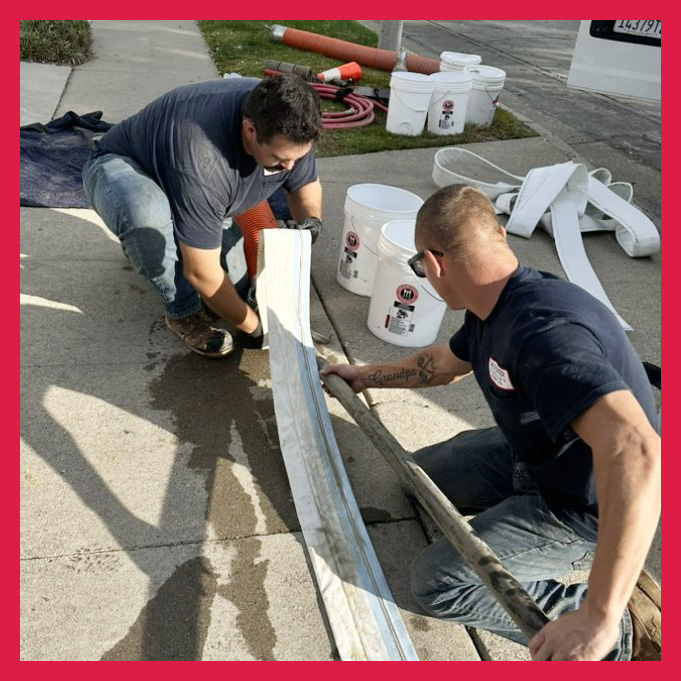
When a slow drain in a Brea property keeps returning, the issue is rarely surface-level. Persistent slow drainage usually points to deeper blockages, internal pipe damage, or buildup that basic cleaning cannot resolve. Professional plumbers use camera inspections, targeted cleaning methods, and system testing to locate the exact restriction and restore proper flow without damaging your pipes. This approach prevents repeat clogs, reduces water waste, and protects the overall plumbing system.
One real-world example comes from Sheryl Santos, who shared her experience in a Google review after hiring The Rooter Company in Brea. She explained that technician Jared carefully walked her through every issue and provided a clear plan before starting work. As she noted, “There were no shortcuts, no guesswork, and no ‘Mickey Mouse’ fixes.” Her slow-drain concerns were addressed thoroughly, helping her avoid long-term plumbing damage and unnecessary stress.
Stay Ahead of Clogs: Drain Maintenance Tips from Plumbing Experts
Preventive maintenance is the most effective way to avoid slow drains and expensive repairs.
- Use Drain Strainers: Drain strainers block hair, food particles, and debris from entering pipes. Regular cleaning prevents buildup before it reaches deeper plumbing lines.
- Never Pour Grease Down the Drain: Grease cools and solidifies inside pipes, coating walls and trapping debris. Even small amounts can lead to significant blockages over time.
- Flush Drains Regularly with Hot Water and Vinegar: Hot water followed by vinegar helps dissolve light buildup and supports eco-friendly cleaning routines without harming pipes.
- Limit Use of Chemical Drain Cleaners: Frequent use of harsh chemicals can corrode pipes and damage seals. They also pose environmental risks when overused.
- Install Hair Catchers in Bathroom Drains: Hair catchers reduce accumulation in showers and tubs, making routine home maintenance easier and more effective.
- Keep Outdoor Drains Clear of Leaves and Dirt: Exterior drains are especially vulnerable to debris in landscaped properties and during seasonal weather changes.
- Consider Water Softeners or Filtration: Brea has moderate to very hard water. Installing a water softener or filtration system helps reduce mineral buildup that contributes to pipe narrowing and drain clogs.
Prevent Drain Backups with Brea’s Trusted Plumbing Experts
The Rooter Company has built a reputation for reliable plumbing solutions backed by advanced technology and skilled technicians. With years of service in Brea, we specialize in drain cleaning, root removal, leak detection, and pipe relining using state-of-the-art cameras and hydro jetting tools.
Homeowners benefit from our 24/7 emergency service, eco-friendly practices, transparent pricing, and free estimates with no pressure to commit. Learn more about our history and commitment to quality on the About Us page, or schedule a consultation.
FAQs
What causes slow drains in Brea homes?
Slow drains are commonly caused by grease buildup, mineral deposits, aging pipes, or tree root intrusion.
Can slow drains lead to water damage?
Yes, untreated slow drains can result in water backup that damages flooring, walls, and fixtures.
Are chemical drain cleaners safe to use?
Frequent use can corrode pipes and worsen long-term plumbing issues.
How often should residential drains be professionally cleaned?
Most homes benefit from professional drain cleaning every 12–24 months, depending on usage.
When should I call a plumber for a slow drain?
If slow drainage persists or affects multiple fixtures, professional evaluation is recommended.