
Older neighborhoods in Brea are known for mature landscaping and tree-lined streets. What many homeowners do not realize is that those same trees can quietly damage underground sewer lines for years before a major problem appears. Tree root sewer damage that Brea homeowners experience often starts small, then escalates into blocked sewers, backups, and costly repairs.
Understanding how root intrusion occurs and how modern repair methods work can help you act early and avoid full pipe replacement.
Understanding Tree Root Sewer Damage Brea
Tree root intrusion occurs when tree roots seek moisture and nutrients inside sewer pipes. Older sewer lines in Brea, especially clay pipes or aging cast iron lines, naturally develop small cracks or loose joints over time. These tiny openings release moisture that attracts nearby roots.
This type of damage follows a predictable progression:
- Hairline cracks form due to soil movement, age, or minor settling.
- Roots detect moisture and push through these small openings.
- Roots expand inside the pipe, growing thicker as they absorb moisture and wastewater.
- Debris catches on roots, including grease, wipes, and paper products.
- Blockages form, slowing or stopping flow.
- Pipe walls weaken over time, eventually leading to collapse or complete failure.
Grease and non-flushable items play a major role. Once roots are inside the line, these materials cling to the root mass, accelerating blockage and pressure buildup.
Warning Signs of Tree Root Damage
Homeowners often notice early symptoms without realizing tree roots are the cause:
- Repeated drain clogs affecting multiple fixtures often indicate a main sewer line obstruction rather than a localized drain issue.
- Gurgling toilets or slow drainage signal restricted airflow and partial blockages caused by root masses.
- Sewage odors indoors or in the yard can result from leaks or trapped waste near points of root intrusion.
- Unusually lush grass patches above sewer lines may indicate leaking wastewater feeding nearby roots.
- Foundation moisture or small sinkholes may suggest long-term leaks weakening the surrounding soil.
- Rising water bills may point to hidden leaks caused by cracked or separated pipes.
Each of these signs suggests underground damage that requires professional inspection before the situation escalates.
Modern Solutions for Root Intrusion in Brea
The good news is that effective professional solutions exist for tree root sewer damage. Modern diagnostics and repair methods allow plumbers to fix problems with precision while minimizing disruption to your property.
Professional Sewer Line Diagnostics: Seeing Root Damage Without Digging
Sewer video camera inspections are the gold standard for diagnosing root intrusion. A high-resolution camera is fed through the sewer line, allowing technicians to see cracks, root masses, and pipe condition in real time. This approach provides:
- Exact location of root intrusion.
- Visual proof for homeowners.
- Accurate repair planning.
- Documentation for future reference.
Mapping the sewer line reduces guesswork and helps prevent unnecessary excavation.
Pipe Debris and Root Removal: Clearing the Blocked Sewer Safely
Once root intrusion is identified, professionals use specialized methods to safely clear the line:
- Mechanical root cutting uses rotating blades to slice through root masses without damaging the pipe.
- Hydro jetting applies high-pressure water to remove roots, grease, and debris from the pipe walls.
- Chemical root killers are not recommended as primary solutions because they are temporary and may harm pipes or surrounding soil.
California regulations restrict improper chemical discharge to protect waterways and soil. According to the California State Water Resources Control Board, “reducing harmful waste inputs is essential for protecting local water systems.” (Source: California State Water Resources Control Board – Reduce Waste Program) Proper waste handling and disposal are essential for compliance and long-term safety.
Pipe Replacement Options in Brea: Traditional vs. Modern Approaches
Traditional sewer repair typically requires trenching to expose damaged pipes. This often means:
- Excavated lawns and landscaping.
- Driveway or sidewalk removal.
- Longer repair timelines.
- Higher restoration costs.
Trenchless Technology: The Advanced Solution for Sewer Damage in Brea
Trenchless technology offers a modern alternative that minimizes the need for excavation. Two common trenchless methods are:
- Cured-in-place pipe lining (CIPP), which creates a new pipe inside the existing one using a resin-saturated liner.
- Pipe bursting, which breaks the old pipe while simultaneously pulling a new pipe into place.
Trenchless repairs require minimal digging, are often completed faster, and use durable, root-resistant materials designed for long-term performance. According to NASSCO guidelines, “properly installed CIPP systems meet strict structural and performance standards for sewer rehabilitation.” (Source: NASSCO CIPP Specification Guidelines)
Preventive Maintenance: Stop Root Intrusion Before It Starts
Preventive maintenance is one of the most cost-effective ways to protect your sewer line:
- Annual sewer camera inspections.
- Scheduled hydro jetting to clear buildup.
- Installing root barriers when landscaping near sewer lines.
- Practicing smart water usage.
- Avoiding grease, wipes, and non-flushable items.
Routine maintenance helps identify early root growth before it becomes destructive.
Real Experience from The Rooter Company
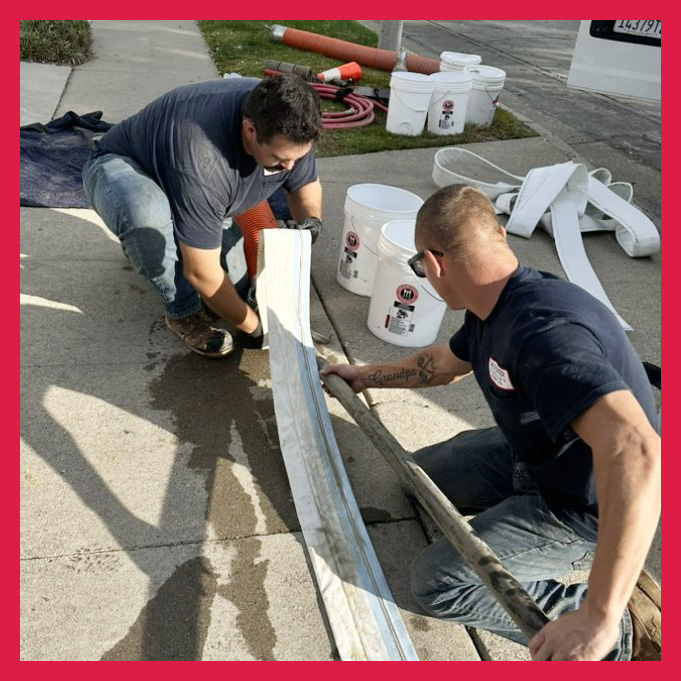
Geo J. shared his experience in a Yelp review after dealing with severe tree root intrusion in his sewer line. His sewer was compromised by roots and required a liner installation. Mark, an experienced technician from The Rooter Company, arrived on time, performed a full evaluation, and clearly explained how the liner process would work.
According to Geo J.’s review on Yelp, the crew returned the next day and completed the trenchless lining in about four hours. He noted the professionalism of the four-person crew, the quality of the equipment used, and the upfront pricing with no surprises. Geo emphasized that the team was efficient, transparent, and clearly experienced in sewer line repair work. He wrote in his Yelp review, “Everything was upfront, and they looked like a good group that enjoyed what they do.”
Is Your Sewer System Acting Up? Call Brea’s Top-Rated Plumbers
When your drains slow down or your sewer backs up, you need a team that knows Brea’s sewer systems inside and out. At The Rooter Company, we handle everything from stubborn clogs and root removal to leak detection and pipe relining using advanced diagnostic tools and trenchless technology.
Our technicians bring decades of combined experience and a customer-first approach to every job. We offer transparent pricing, free estimates, and zero pressure to commit. For trusted sewer solutions, emergency help, or routine care, schedule your consultation today.
FAQs
How quickly can tree roots damage a sewer line?
Root intrusion can begin within months once roots find a moisture source, but visible damage usually develops over several years.
Can tree roots completely collapse a sewer pipe?
Yes, untreated root growth can crack, shift, or collapse pipes, especially older clay or cast iron lines.
Is trenchless sewer repair permanent?
Trenchless lining creates a seamless, root-resistant pipe designed to last decades when properly installed.
Will removing roots harm my trees?
Professional root cutting inside pipes does not affect tree health because only intrusive roots are removed.
How often should sewer lines be inspected in Brea?
Homes with mature trees should consider camera inspections every 12 to 24 months.