
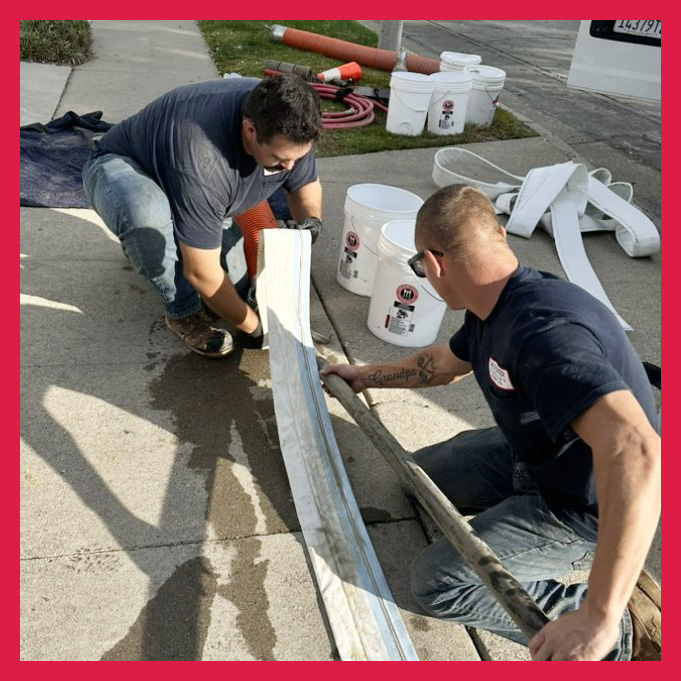
Sewer backups in Brea can cause serious property damage, foul odors, and health concerns that disrupt daily life quickly. Many homeowners are caught off guard because sewer problems often develop out of sight below ground. With older sewer infrastructure and periodic heavy rainfall, local homes face a higher risk of blockage and overflow.
Understanding the most common causes of sewer backups and scheduling routine sewer inspection and maintenance can prevent emergencies and save thousands in unexpected repair costs.
Common Causes of Sewer Backup in Brea
Sewer backups are more than just an inconvenience. They can damage flooring, drywall, and personal belongings while creating unsanitary conditions inside the home. In Brea, aging sewer lines combined with environmental and usage factors make backups a recurring issue for many households.
Tree Roots: The Silent Invaders
Tree roots are one of the leading causes of sewer backups in Brea. Older sewer lines made from clay or cast iron develop small cracks or loose joints over time. Tree roots naturally seek moisture and can infiltrate these openings, growing inside the pipes.
As roots expand, they restrict wastewater flow, leading to slow drains, recurring clogs, and eventually full blockages. Left untreated, root intrusion can cause pipe fractures or total collapse.
Preventive strategies include routine sewer inspection using video cameras, professional root cutting, and trenchless pipe lining that seals the pipe interior and blocks future intrusion.
Pipe Collapse: When Age and Wear Take Their Toll
Many Brea neighborhoods still rely on aging underground sewer infrastructure. Pipe collapse can result from decades of material wear, poor original installation, soil shifting, or heavy vehicle traffic above ground.
Warning signs include frequent slow drains, sewage odors, and unexplained wet spots in the yard. According to the California Building Standards Commission plumbing requirements, “sewer lines must meet strict installation and maintenance standards to prevent failure.”
(Source: California Building Standards Commission Plumbing Codes)
Modern solutions include video camera inspections and trenchless repair or replacement with durable materials such as PVC or HDPE, which resist corrosion and ground movement.
Heavy Rainfall: Stormwater Overload
Although Brea is not known for frequent rainfall, seasonal storms can overwhelm sewer systems, especially in areas with older or partially combined drainage infrastructure. When excess rainwater enters sewer lines, it reduces the capacity for household wastewater.
Homes with low-lying plumbing fixtures are particularly vulnerable during storms. Without proper mitigation, wastewater can reverse direction and back up into sinks, tubs, or floor drains.
Preventive solutions include pre-season sewer inspection, yard drainage improvements, sump pumps, and stormwater diversion systems that reduce pressure on sewer lines during heavy rainfall.
Everyday Clogs: Hair, Soap, and Grease Buildup
Daily habits play a major role in sewer backups. Hair, soap residue, grease, and food particles slowly accumulate inside pipes. Unlike sudden blockages, these buildups develop over months or years.
Grease is especially problematic. It hardens inside pipes, trapping debris and narrowing the pipe diameter until flow is severely restricted. Bathroom drains clogged with hair and soap scum contribute to similar blockages.
Using drain screens, disposing of grease properly, and scheduling professional hydro jetting removes buildup before it becomes a major obstruction.
Foreign Objects and Improper Disposal
Flushing items not designed for sewer systems remains a common cause of backups. Wipes labeled “flushable,” diapers, feminine products, toys, and household chemicals do not break down as intended.
These materials can lodge in pipe bends or combine with grease and debris, forming stubborn blockages that require professional removal.
How to Avoid Sewer Problems: Proven Tips
Preventing sewer backups requires a mix of smart habits and professional maintenance. The following steps help reduce risk and extend the life of your sewer system.
Schedule Regular Sewer Inspections
Professional video camera inspections every two to three years allow plumbers to detect root intrusion, cracks, and buildup early. The Rooter Company uses advanced inspection equipment to provide accurate diagnostics without guesswork.
Prevent Tree Root Intrusion
Chemical root inhibitors, trenchless pipe liners, and proactive excavation helps prevent roots from entering sewer lines. When landscaping, planting trees away from sewer paths reduces long-term risk.
Manage Heavy Rainfall Risks
Proper yard grading, sump pumps, and stormwater diversion systems help redirect excess water away from sewer lines. These upgrades often cost far less than emergency sewer repairs after a storm.
Maintain Clean Drains
Monthly maintenance using safe, non-corrosive cleaning methods, combined with drain screens, prevents debris accumulation. For stubborn buildup, professional hydro jetting clears pipes thoroughly without damaging them.
Upgrade Old Plumbing Systems
Replacing outdated sewer pipes with modern materials improves durability and flow. California may offer incentives for efficient plumbing upgrades, including backflow prevention systems that reduce backup risk.
Real Sewer Repair Experience of The Rooter Company
Real customer experiences demonstrate how proactive solutions prevent repeat sewer failures. In a Google review, Richie O shared his experience after dealing with repeated sewer backups. According to Richie, the issue escalated late at night when sewage backed up into his home. He contacted The Rooter Company at eleven p.m., and the team arrived in under an hour.
During the inspection, technicians identified multiple points of root intrusion in the sewer line. Richie noted that he had been snaking the line every eight months with no lasting solution. Based on the findings, the team excavated the sewer main in front of the home and installed a liner extending to the street.
According to Richie, “No more roots and no more problems.” He highlighted the fast response, clear explanation of the issue, and long-term results that eliminated recurring backups. This outcome reflects how proper diagnosis and permanent repairs prevent ongoing damage and repeat service calls.
From North Hills to Downtown: We Keep Brea’s Pipelines Flowing Clear
The Rooter Company has decades of combined experience serving homeowners in Brea with reliable sewer and drain solutions. We handle everything from unclogging and root removal to leak detection and trenchless pipe relining using state-of-the-art cameras and hydro jetting equipment.
Our team provides 24/7 emergency plumbing services, affordable maintenance plans, and eco-friendly solutions designed for long-term performance. Pricing is transparent, estimates are free, and there is zero pressure to sign a contract. For sewer services, emergency help, or a consultation, contact our team today. Learn more about our experience and service history.
FAQs
What are the first signs of a sewer backup?
Slow drains, sewer odors, gurgling sounds, and water backing up in tubs or floor drains are early warning signs.
How often should sewer lines be inspected?
Professional sewer inspections are recommended every 2 to 3 years, or sooner for older homes.
Can heavy rain cause sewer backups in Brea?
Yes. Seasonal storms can overload sewer systems, especially when combined with existing blockages or root intrusion.
Are tree roots a permanent sewer problem?
Roots return unless the pipe is sealed or lined. Trenchless lining offers long-term protection.
Is trenchless sewer repair less disruptive?
Yes. Trenchless methods repair pipes with minimal excavation, reducing damage to landscaping and driveways.